Dark Concrete Grunge Texture Review
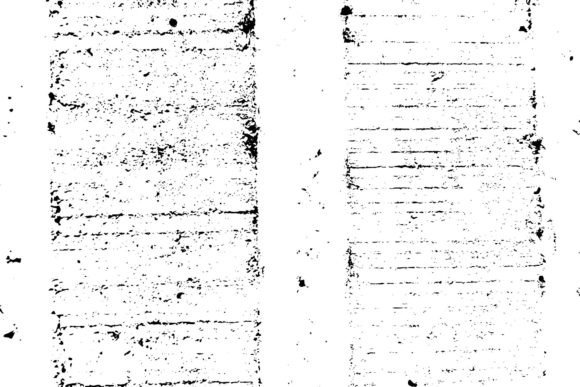
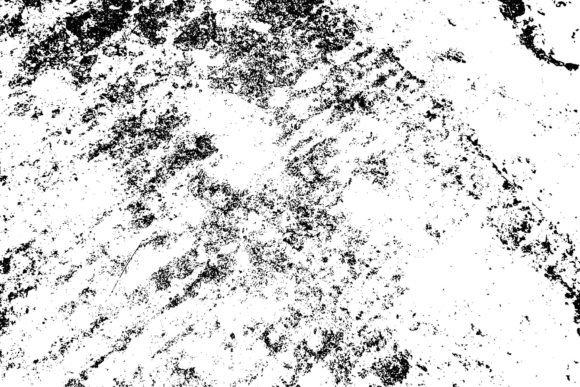
When I first opened the Dark Concrete Grunge Texture file, my immediate thought wasn't about stitch counts or digitizing quirks. It was about the mood. There is a specific kind of raw energy in grunge aesthetics that cuts through the noise of overly polished designs. As someone who has spent years reviewing design assets for real-world projects, I know that finding a texture that translates well from a digital screen to physical thread is a rare find. This collection promises five high-resolution textures, but the real question is: does it hold up when stitched onto fabric?
I decided to put this asset to the test immediately. The goal was to create a custom embroidered patch for a boutique client's new line of workwear aprons. They wanted something industrial yet approachable, a vibe that screams durability without looking dated. The Dark Concrete Grunge Texture felt like the perfect candidate. Unlike standard floral or geometric patterns, this texture offers a gritty, urban personality that can elevate a simple product into a statement piece.
The Real-World Test: From Screen to Stitch
Translating a digital graphic into an embroidery file requires more than just converting pixels to stitches. It demands an understanding of how thread interacts with fabric. When I applied the Dark Concrete Grunge Texture to a mockup of a heavy-duty canvas tote bag, the results were striking. The seamless nature of these files meant I could repeat the pattern across the entire surface of the bag without awkward seams disrupting the flow.
In a commercial setting, consistency is king. For an Etsy seller or a small shop owner, being able to use a single design asset across multiple products—like matching sweatshirts, caps, and kitchen towels—is a massive time-saver. The texture provides a cohesive background that ties a brand identity together. However, the transition from digital to physical isn't always seamless. The "grunge" element relies heavily on contrast. If you are stitching this onto a dark fabric using black thread, the texture will disappear. You need to consider your thread colors carefully. A light grey or white fill stitch against a dark concrete background creates a depth that mimics the original digital paper perfectly.
Where This Design Shines in Your Craft Business
This texture is not a one-trick pony. While it works beautifully as a background, its versatility extends far beyond simple fills. Imagine using the Dark Concrete Grunge Texture as the base layer for a personalized gift set. You could stitch a clean, modern font over the gritty texture on a baby onesie or a nursery pillow cover. The juxtaposition of soft, delicate lettering against a rough, industrial backdrop creates a visual tension that customers love. It feels curated, intentional, and premium.
For those of us selling handmade products, presentation matters. A plain white shirt is forgettable. But a shirt featuring a subtle, textured background that looks like worn concrete adds character. It suggests a story. When a customer sees a finished product with this level of detail, their perception of value increases. They aren't just buying a t-shirt; they are buying a piece of art. This is crucial for commercial embroidery projects where margins depend on perceived quality.
I also tested this concept on holiday gifts. A set of tea towels with a grunge texture border, perhaps accented with seasonal red or green threads, would stand out in any craft fair booth. The texture breaks up the monotony of solid colors and draws the eye. It acts as a natural frame for your main design elements. Whether you are creating an embroidered patch for a denim jacket or a decorative accent on a cap, the grit adds a layer of sophistication that pure solids lack.
Practical Limitations and Where to Exercise Caution
However, no design is perfect for every scenario, and honesty is the most important tool in a designer's arsenal. The Dark Concrete Grunge Texture is not ideal for small hoop sizes. Because the texture relies on fine details to convey its "rough" look, shrinking it down too much can result in a muddy mess where individual threads blend together unintentionally. If you are working on a tiny pocket logo or a miniature accessory, you might lose the essence of the design.
Stretchy fabrics present another challenge. Grunge textures often imply rigidity and structure. On a thin, stretchy jersey knit, the dense stitching required to capture the texture can cause puckering. The fabric may distort, ruining the intended aesthetic. In these cases, a proper stabilizer is non-negotiable. You must ensure the stabilizer matches the weight of the fabric to prevent the design from collapsing under its own density.
Dense stitch areas are another consideration. If the texture includes very tight satin stitch sections, you risk needle deflection, especially on curved surfaces like caps. The curvature of a hat can make a flat texture look uneven if not adjusted for the 3D shape. Always inspect small details before committing to a large production run. If the design features intricate corners, test them on scrap fabric first. Sometimes, what looks good on a monitor looks cluttered in reality.
Designer Notes for Maximum Impact
Before you rush to download and start stitching, there are a few technical checks you should perform. First, review the stitch density. High-density designs consume more thread and take longer to stitch, which impacts your pricing and machine time. Ensure the file is optimized for your specific machine capabilities. If you are unsure about the file formats or compatibility, check the product description again, as these details vary by provider.
Contrast testing is vital. Create both black-and-white and full-color mockups to see how the texture behaves under different lighting conditions. A texture that looks great in a bright studio might vanish in dim evening light. Also, verify your licensing terms. Are you allowed to sell finished items made with this design? Can you use it in digital product previews? These distinctions separate hobbyists from professional entrepreneurs.
Finally, remember that the Dark Concrete Grunge Texture is a tool, not a complete solution. It works best when paired with complementary elements. Use it to ground your designs, add depth to your backgrounds, or create a unique atmosphere for your brand. Whether you are an Etsy seller looking to differentiate your shop or a small business owner building a cohesive merchandise line, this texture offers a rugged elegance that resonates with modern audiences.
Ultimately, the success of your embroidery project depends on your judgment. Don't be afraid to experiment. Try combining the texture with running stitch outlines or layering it with applique techniques. The possibilities are endless, but only if you approach the process with patience and a critical eye. By understanding the strengths and limitations of assets like Textures and Graphics, you can turn a simple digital file into a stunning, market-ready finished product.