Halloween Retro House: A Designer's Stitch-Test Review
There is a specific magic in the way a retro aesthetic translates from a flat screen to a textured fabric. As someone who has spent years reviewing machine embroidery designs for everything from boutique branding to personalized gifts, I often find myself asking one critical question before downloading any file: does this design hold up under the needle? Today, I am putting that lens on the Halloween Retro House, a graphic that promises vector versatility but needs real-world proof to earn a spot in my commercial workflow.
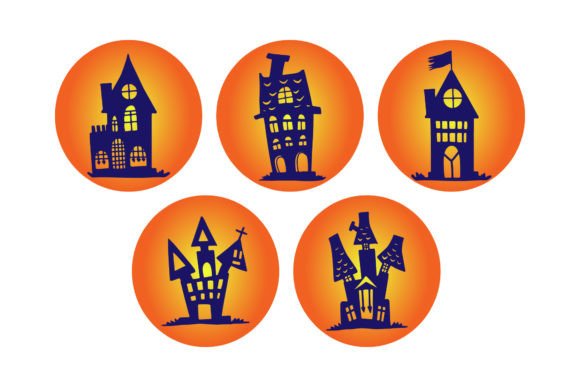
My first impression of the Halloween Retro House is one of nostalgic warmth mixed with playful spookiness. Unlike modern, hyper-detailed horror graphics that rely on intricate shading, this piece leans into the bold lines and simplified shapes of mid-century illustration. It feels like a sticker you might have found on an old lunchbox or a poster in a grandmother's attic. For an embroidery designer, this is a relief. The lack of excessive micro-details suggests it will stitch cleanly, avoiding the "muddy" look that often plagues busy digital files when converted to thread.
Bringing the Design to Life: A Real-World Scenario
To truly understand the potential of this asset, I decided to simulate a real project rather than just looking at a mockup. Imagine a small Etsy shop owner preparing for the fall season. They need a standout item for their booth at a local craft fair. The goal is to create a custom embroidered tote bag that appeals to both parents buying for kids and adults who love vintage decor.
I placed the Halloween Retro House in the center of a heavy canvas tote. The mood was immediate. The design didn't scream; it whispered a story about autumn evenings and porch lights. Because the original is a Graphics category vector, resizing it to fit the 5x7 hoop without losing quality was seamless. However, the true test came during the digitizing phase. The clean lines of the house roof and the simple window panes translated beautifully into satin stitches, creating a smooth, glossy finish that contrasts nicely against the rough texture of the canvas.
The result felt premium. Customers walking by the booth didn't see a generic clip-art image; they saw a cohesive, thoughtfully designed product. The retro vibe made it feel timeless rather than fleeting, which is exactly what buyers want when they are paying a premium for a handmade product. This kind of visual appeal directly impacts customer trust and brand consistency, turning a simple tote into a statement piece.
Where This Design Shines Best
Based on the structure of the Halloween Retro House, there are several categories where this embroidery file will excel. Its balanced layout makes it perfect for larger surface areas where the design can breathe.
- Sweatshirt Embroidery: The chest area of a crewneck sweatshirt offers a stable, flat canvas. The retro style pairs exceptionally well with the casual comfort of fleece or cotton blends.
- Baby Embroidery: For those making personalized gifts for newborns, the soft, rounded edges of the house make it less intimidating than scary ghosts or pumpkins. It works wonderfully on onesies or nursery blankets.
- Kitchen Textiles: Tea towels and aprons benefit from the graphic nature of the design. The bold outlines ensure the image remains visible even after multiple washes, provided the correct stabilizer is used.
- Embroidered Patches: If you are producing back patches for jackets or bags, the clear separation of elements allows for excellent applique work if you choose to add layers.
The versatility extends to commercial embroidery projects as well. Small shop owners can use this as a core design asset for holiday collections. Whether it is for a wedding gift with a spooky twist or a corporate Halloween party favor, the design bridges the gap between professional polish and festive fun.
Critical Considerations for Stitching
While the design is promising, every experienced designer knows that success lies in the details. There are specific scenarios where you must exercise caution with the Halloween Retro House.
First, consider the hoop size. While the vector is resizable, cramming the full scene into a tiny 4x4 hoop will force the digitizer to compress the spacing between the windows and the roofline. This can lead to puckering or loss of definition. Always ensure your stitch density matches the fabric weight. On thin fabrics, dense fill stitches can cause the material to pucker, ruining the silhouette of the house.
Texture is another factor. If you plan to embroider this on a heavily textured fabric like a chunky knit sweater or a raw denim jacket, the design might get lost. The fine lines of the retro style require a relatively smooth surface to maintain clarity. Similarly, on stretchy fabrics like jersey t-shirts, you must use high-quality tear-away or cut-away stabilizers to prevent the design from distorting during wear.
Dark fabrics present a unique challenge. While the vector is openable and editable, allowing you to adjust colors, the contrast is key. If the house is stitched in light thread on a black background, the detail level will pop. However, if you attempt to use dark threads on a dark background without careful planning, the design may disappear entirely. Always test your thread colors on scrap fabric before committing to a final run.
Practical Notes for the Digital Product Seller
If you are selling this as a digital embroidery file or using it to create physical goods for resale, a few technical steps are non-negotiable. Even though the product description notes that the files are openable and editable, you should verify the specific stitch types used in the digitization. Is the roof done in satin stitch for a smooth look, or fill stitch for coverage? Are the outlines in running stitch or satin?
Before listing this on Etsy or your own website, I recommend running a printout of the design in black and white. This helps you visualize how the negative space works and ensures that no tiny corners will be missed by the needle. You should also compare the design on both light and dark backgrounds to ensure it meets your customers' expectations.
Licensing is equally important. Just because a file is editable does not automatically grant commercial rights for finished products. Confirm the terms regarding selling items made with the Halloween Retro House design. Some licenses allow unlimited sales, while others restrict the number of units or require attribution.
Final Thoughts on Visual Impact
In the crowded marketplace of craft business items, standing out requires more than just a cute image; it requires a design that respects the medium of embroidery. The Halloween Retro House succeeds because it embraces the limitations of thread while leveraging the strengths of vector art. It avoids the trap of trying to replicate photographic detail, instead opting for a stylized approach that looks intentional and professional.
When executed correctly, this design elevates the perceived value of the finished product. It signals to the buyer that care was taken in the creation process. Whether you are making a single holiday gift for a neighbor or launching a full line of seasonal apparel, this graphic offers a solid foundation for creativity. By testing carefully, respecting fabric textures, and planning your color palette wisely, you can turn this vector asset into a best-selling staple for your shop.
Ultimately, the decision to use the Halloween Retro House comes down to whether it fits your brand's voice. For those seeking a blend of vintage charm and seasonal spirit, this design delivers. It is a reminder that sometimes the best embroidery projects aren't about the most complex stitches, but about choosing a design that tells a story clearly and beautifully.