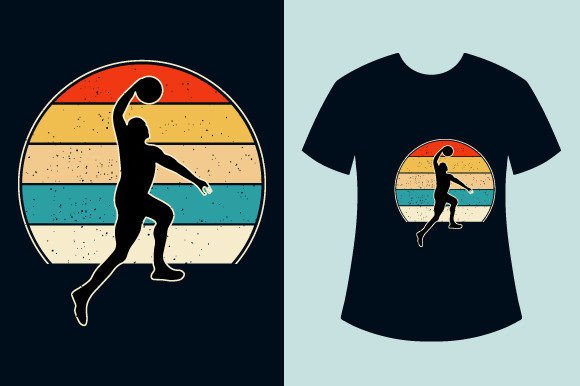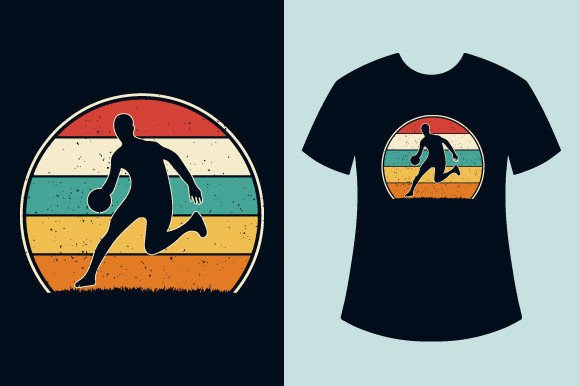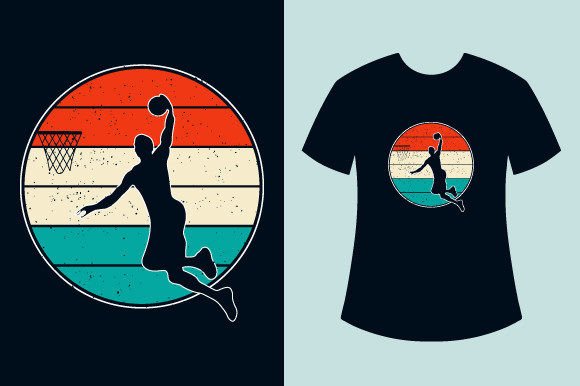
Retro Vintage Basketball T-shirt Design Review
I have spent years reviewing embroidery files for everything from boutique branding to personalized gifts, and I can tell you that the difference between a design that looks great on a screen and one that stitches beautifully is often in the details. When I first encountered the Retro Vintage Basketball T-shirt Design, my immediate reaction was one of nostalgia mixed with practical curiosity. It taps into that classic Americana aesthetic that has been trending for a while now, but as a professional designer, I needed to know if it could hold up under the needle.
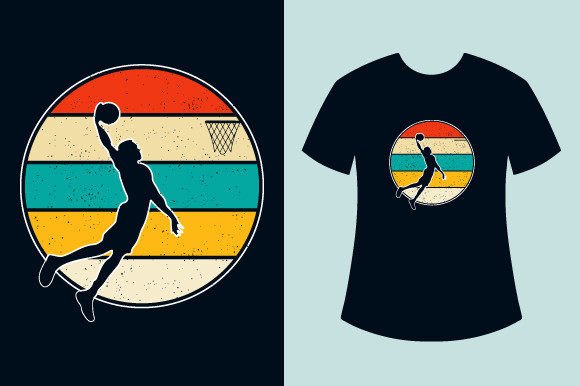
This isn't just another generic sports graphic; it carries a specific mood. The layout feels balanced, evoking the feel of an old varsity jacket or a faded poster from a 90s gymnasium. For those of us running a craft business or selling on platforms like Etsy, this kind of visual personality is gold. It suggests durability, tradition, and a touch of rugged charm. But does it translate well to actual stitching? Let's break down how this design performs in real-world scenarios.
Real-World Application: From Screen to Stitch
To truly understand the value of this machine embroidery design, I put it through a mental simulation of a common client project. Imagine preparing a custom embroidered tote bag for a local youth basketball league. You want something that doesn't look mass-produced but still feels professional. The Retro Vintage Basketball T-shirt Design fits this niche perfectly. Its bold lines and vintage color palette (once translated to thread) would stand out against canvas or heavy cotton twill.
However, the versatility extends far beyond bags. I envision this design working exceptionally well on sweatshirt embroidery projects for holiday gifts or alumni reunions. The retro vibe pairs naturally with heather grey or navy fleece, creating a product that customers will actually wear rather than toss after a season. For a small shop owner looking to expand their inventory, adding this to a line of baby embroidery items—like a onesie or a soft blanket—could be a hit. The theme is universally appealing, crossing generational gaps easily.
But let's talk about the limitations. While the design is robust, it requires strategic placement. If you are working with a small hoop size, you might find the corners of the design getting crowded. Embroidery machines need a little breathing room to execute clean turns, especially if the file includes intricate fill stitches. Similarly, applying this to curved surfaces like caps requires careful testing. A flat design on a computer screen can look perfect, but when pulled over a curved brim, distortion can ruin the vintage aesthetic. In these cases, the design might need slight adjustments before digitizing for the final run.
Stitch Quality and Fabric Considerations
The success of any embroidery project hinges on the relationship between the stitch density and the fabric texture. This design appears to rely heavily on satin stitch for outlines and fill stitch for the main shapes. On stable fabrics like denim or thick cotton, this should result in a crisp, raised finish that feels premium. However, caution is advised when using this on thin fabric or stretchy materials like jersey knit without proper stabilization.
If you plan to use this for commercial embroidery on lightweight apparel, you must ensure your stabilizer choice is adequate. Without it, the tension required for the fill stitches could cause puckering, which immediately devalues the finished product. I also recommend checking the thread colors carefully. A vintage design relies on contrast to define its shape. If you choose thread colors that are too similar to the fabric, the design will disappear. Conversely, overly bright threads might clash with the intended retro mood. Always test your thread colors on scrap fabric before committing to a bulk order.
For those interested in creating an embroidered patch using this design, the outcome could be striking. The clean lines suggest good potential for a merrow edge or a cut-edge finish. However, if the design contains tiny lettering or very fine decorative accents, these might get lost in the thickness of the patch backing. In such instances, simplifying the detail level might yield a better result than trying to force every pixel onto the fabric.
Practical Notes for Designers and Sellers
Before you download this file and start producing, there are several critical steps to take to ensure your handmade product maintains high standards. First and foremost, always test the design on scrap fabric. This simple step reveals issues with stitch density, thread breaks, or hooping difficulties that you wouldn't see in a digital preview.
- Check the File Specifications: The product description mentions a "100 Vector File" and "Print Ready File." While this sounds promising, verify the specific format compatibility with your machine software. Not all vector formats convert cleanly to embroidery files.
- Review Stitch Density: High-density areas can lead to bird nesting or thread bunching. If the design feels too dense for the fabric weight you are using, consider adjusting the settings or seeking a simplified version.
- Licensing and Commercial Use: If you are an Etsy seller or running a small shop product line, confirm the licensing terms. Does the purchase allow you to sell finished items made with this design? Or is it restricted to personal use? Clarifying this before you print mockups saves headaches later.
- Mockup Testing: Create printable mockups in both black and white to check the composition. Sometimes, color distractions hide layout flaws that become obvious in monochrome.
When used correctly, this design adds significant value to your brand consistency and customer trust. A well-executed custom apparel piece tells a story. It shows that you care about quality and attention to detail. Customers are more likely to engage with a brand that offers products with a distinct, thoughtful aesthetic rather than generic clip art.
Final Thoughts on Visual Appeal and Value
The Retro Vintage Basketball T-shirt Design succeeds because it balances nostalgia with modern utility. It is not overly complex, which makes it forgiving for beginners, yet detailed enough to satisfy experienced decorators. Whether you are creating a gift for a family member or building a catalog of design assets for your online store, this file offers a solid foundation.
It shines brightest in applications where the vintage theme enhances the product's purpose. Think of kitchen towels for a BBQ enthusiast, aprons for a coaching staff, or pillow covers for a sports-themed nursery. The key is to match the design's energy with the right material. Avoid using it on delicate silks or highly textured boucle fabrics unless you are prepared to experiment extensively.
Ultimately, the best designs are those that make the production process smoother and the end result more rewarding. This design delivers on that promise, provided you respect the technical constraints of embroidery. By testing thoroughly, choosing the right stabilizer, and understanding the limits of your machine, you can transform this digital graphic into a tangible, high-quality item that people will cherish. For anyone looking to add a touch of classic sports flair to their collection of T-Shirt Designs and Graphics, this is a strong contender worth considering.