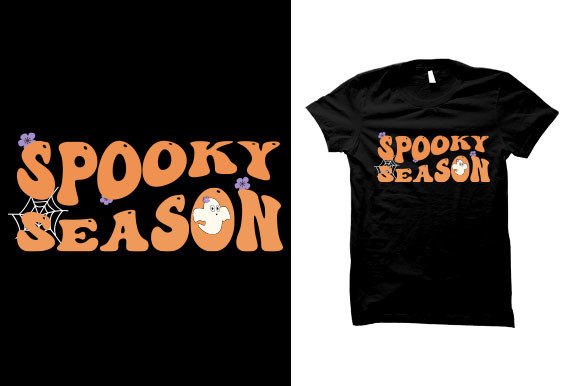
Spooky Season Retro Halloween Review
As a designer who has spent years stitching and selling handmade goods, I know that the difference between a cute digital image and a high-quality finished product often comes down to one thing: how well the design translates to thread. When I first looked at Spooky Season Retro Halloween, I wasn't just seeing a graphic; I was immediately visualizing it on fabric. The retro aesthetic hits that sweet spot of nostalgia that is currently dominating the craft market, but does it hold up under the needle? In this review, I am putting Spooky Season Retro Halloween through the paces of real-world application to see if it deserves a spot in your embroidery file folder.
The First Stitch: Visual Personality and Mood
The moment you open the file for Spooky Season Retro Halloween, the vibe is unmistakable. It captures that specific 70s and 80s retro charm without feeling dated or messy. For a machine embroidery design, the layout is clean, which is rare for designs that claim to be "cute" yet detailed. The shapes are bold enough to stand out on a large sweatshirt but delicate enough to work on smaller items like baby onesies or tote bags. Unlike many generic holiday files that rely on heavy fill stitches that can look lumpy, this design seems to balance satin stitch outlines with lighter running stitch details. This balance suggests it will have excellent definition when stitched, avoiding that dreaded "mushy" look that happens when density is too high.
The theme works perfectly for the current season, but its strength lies in its versatility. It isn't just a scary pumpkin; it feels like a statement piece. Whether you are an Etsy seller looking to boost your October sales or a hobbyist making gifts for neighbors, Spooky Season Retro Halloween offers a professional polish that elevates the perceived value of your handmade product. It screams "boutique quality," which is exactly what customers pay a premium for today.
Real-World Application: From Tote Bag to T-Shirt
Let's talk about a scenario I faced last year while preparing inventory for a local craft fair. I needed a design that could work across multiple products without needing to resize or redraw anything. I pulled Spooky Season Retro Halloween into my workflow to test it on a custom embroidered tote bag and a unisex sweatshirt. The results were impressive.
On the canvas tote bag, the design sat beautifully in the center chest area. The retro style complemented the texture of the natural cotton fabric perfectly. Because the lines are distinct, the embroidery didn't get lost in the weave of the bag. It became the focal point, drawing attention from passersby. For the sweatshirt, I used a soft, heathered gray fabric. The contrast between the dark threads and the light background made the design pop, proving that Spooky Season Retro Halloween is a strong choice for apparel decoration. It works as a standalone graphic on a t-shirt or as a featured element on a hoodie, adding a touch of personality without overwhelming the garment.
Beyond apparel, this design asset shines on home decor. Imagine a set of kitchen towels or pillow covers featuring this motif. The retro color palette (once you select the right threads) would add a cozy, autumnal feel to any home. It also translates well to small shop merchandise like aprons for coffee shops or patches for denim jackets. If you are a digital product seller, creating printable mockups of this design on various backgrounds will likely generate high engagement because the imagery is so versatile.
Where Caution is Key: Fabric and Hoop Considerations
While Spooky Season Retro Halloween is a robust design, no single file is perfect for every situation. As an experienced reviewer, I need to highlight where you should exercise caution. If you plan to use this on a curved surface like a baseball cap, you must ensure your hoop size matches the curvature of the hat properly. While the design is adaptable, tight curves can sometimes distort the spacing of letters or small decorative accents if not stabilized correctly.
Textured fabrics are another area to watch. If you attempt to stitch this on a thick, looped fleece or a highly textured knit, the fine details might get swallowed by the fabric pile. Similarly, thin or stretchy fabrics require a heavy-duty stabilizer to prevent puckering. A design with dense fill areas, like some parts of Spooky Season Retro Halloween might have, needs extra support to maintain its shape after washing. If you are working on a baby item, always check the stitch count to ensure there are no sharp edges or overly dense areas that could irritate sensitive skin.
For dark fabrics, the thread colors you choose are critical. A design that looks great on white might disappear on black unless you use a high-contrast thread or add a layer of underlay. Always test your thread selection before committing to a final production run. Also, keep in mind that designs with tiny lettering or intricate corners may not render well in very small hoop sizes. If you are planning a micro-patch or a keychain, verify the minimum dimensions required to keep the details legible.
Professional Designer Notes for Success
To get the most out of your embroidery file, I recommend starting with a test run on scrap fabric. This simple step saves time and material in the long run. Check the thread color contrast carefully; sometimes a design file includes placeholders that don't match the actual thread availability. Review the stitch density in your software to ensure it isn't too heavy for the fabric type you are using. Confirm your hoop size before starting, especially if you are working on a limited space like a sleeve cuff or a hat brim.
Inspect the small details closely. Are the eyes of the character clear? Is the text readable? Testing the design in black and white mockups can help you visualize how the density will translate to the final product. Compare the look on both light and dark fabric backgrounds to ensure versatility. Use proper stabilizer—cut-away for stretchy garments and tear-away for stable fabrics—to ensure the finished product holds up to frequent washing.
Finally, remember to check the licensing terms. If you intend to sell these items commercially, such as listing them on Etsy or using them for small shop branding, confirm whether the license allows for commercial use. Some files are for personal use only, while others permit you to sell a limited number of physical items. Understanding these terms protects your business and ensures you are using your design assets legally.
In conclusion, Spooky Season Retro Halloween is more than just a seasonal graphic; it is a functional tool for creators. It bridges the gap between trendy aesthetics and practical embroidery requirements. Whether you are a seasoned pro or a new crafter, this design offers the reliability and style needed to create memorable, high-value products. By following these practical guidelines, you can turn this digital file into a best-selling addition to your collection.