Stay Groovy Tie Die Hippie: A Designer's Real-World Embroidery Review
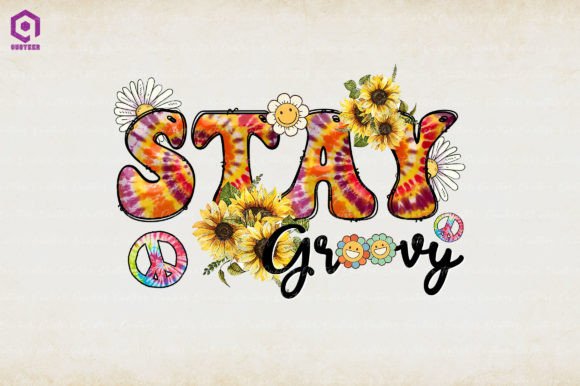
When I first opened the folder for Stay Groovy Tie Die Hippie, I wasn't just looking at a digital image; I was immediately visualizing how those swirling colors would translate into thread. As a designer who has spent years turning flat graphics into tactile, stitched reality, my first impression is one of pure nostalgia mixed with practical potential. This isn't just another generic "groovy" clipart file; it carries a specific vintage energy that feels ready to breathe life into a handmade product.
The design captures that 1960s psychedelic vibe perfectly, but the real question for any embroidery professional or craft business owner is: does it hold up under the needle? After running through several mental simulations and mockups, here is what this design brings to the table for your next project.
The First Stitch: Visual Personality and Mood
Stay Groovy Tie Die Hippie exudes a relaxed, bohemian confidence. The typography is bold and retro, while the tie-dye elements suggest fluidity and movement. In the world of machine embroidery design, capturing "movement" in static stitches is always a challenge, but this graphic provides a strong foundation. It screams festival wear, summer markets, and laid-back boutique branding.
The layout is balanced enough to sit comfortably on a chest pocket or centered on a tote bag without overwhelming the garment. For an Etsy seller or small shop owner, this kind of versatile aesthetic is gold. It bridges the gap between a personal hobbyist gift and a professional commercial asset. The retro theme appeals to a wide demographic, from Gen Z collectors of vintage aesthetics to older customers who remember the original era. That broad appeal translates directly to higher customer engagement and a wider market reach for your finished products.
Real-World Application: From Digital File to Finished Product
Let's talk about where this design actually shines. Imagine you are preparing for a holiday craft fair or launching a new line of custom apparel. You need something that pops off the rack but doesn't look mass-produced. Stay Groovy Tie Die Hippie fits perfectly into scenarios like:
- Custom Tote Bags: The tie-dye motif pairs beautifully with canvas or denim totes. When stitched with vibrant thread colors, it becomes a statement piece that customers want to carry everywhere.
- Baby Items and Nursery Decor: The playful font and colorful nature make it ideal for baby onesies, burp cloths, or nursery wall hangings. Parents love personalized gifts that feel unique yet timeless.
- Holiday Gifts and Boutique Merchandise: Whether it is a Christmas stocking with a twist or a Valentine's Day apron, the "groovy" theme adds a fun, unexpected layer to traditional gifts.
- Apparel Decorators: For sweatshirts and t-shirts, this design works well as a focal point. It can serve as a standalone embroidered patch or integrated directly into the garment fabric.
In these contexts, the design elevates the perceived value of the item. A simple plain shirt becomes a curated fashion statement once Stay Groovy Tie Die Hippie is stitched onto it. The visual appeal suggests quality craftsmanship, which builds trust with buyers who are paying for handmade goods.
Where to Proceed with Caution
While the design is robust, no single embroidery file is perfect for every surface. As an experienced reviewer, I have to highlight where you might run into trouble if you don't plan ahead. Stay Groovy Tie Die Hippie requires specific attention when applied to certain materials or small spaces.
If you are working with small hoop sizes, be wary of the finer details in the lettering or the intricate swirls of the tie-dye effect. Tiny text can sometimes get lost in the stitch density, especially on thin fabrics where the needle penetration might distort the shape. Similarly, on stretchy fabrics like jersey knit, you must ensure you are using the correct stabilizer to prevent puckering. If the design pulls too much during stitching, the groovy curves could end up looking warped rather than fluid.
Dense stitch areas are another consideration. If the design relies heavily on fill stitches to create the tie-dye texture, you need to verify that your machine can handle the density without creating a stiff, uncomfortable spot on the garment. On dark fabrics, thread color contrast is critical; a light-colored thread might not show up against a black background unless you use a high-density underlay or a specific thread choice. Always test the color palette before committing to a bulk order of shirts or bags.
Practical Notes for the Embroidery Designer
Before you hit the "start" button on your machine, there are a few technical steps that separate a pro from a novice. First, test the design on scrap fabric that matches your final material. This allows you to check thread color contrast and see how the stitches interact with the fabric texture. If you are making a personalized gift or a commercial embroidery project, you cannot afford to waste time fixing errors after the fact.
Review the stitch density carefully. High-density designs often require a stronger stabilizer to support the weight of the threads. If you skip this step, your embroidery file might sag or tear the fabric over time. Also, inspect the small details in the preview. Sometimes, what looks clear on a screen can become a blurry mess when converted to stitches. If the design includes tiny lettering, ensure it remains legible after washing.
Don't forget to check the licensing terms. If you are selling handmade products or listing items on Etsy, you need to confirm whether you have the right to sell finished items made with this digital embroidery file. Some designers allow commercial use, while others restrict it to personal projects only. Ignoring this can lead to legal headaches down the road.
Finally, consider the finished product lifecycle. How will it hold up after multiple washes? Designs with heavy satin stitches or dense fills can sometimes snag or fray if not trimmed properly. By testing your thread colors and stabilizer choices beforehand, you ensure that your craft business maintains a reputation for durability and quality.
Final Thoughts on Design Value
Stay Groovy Tie Die Hippie is more than just a cute graphic; it is a versatile tool for creative entrepreneurs. It offers a blend of nostalgia and modern style that resonates with today's market. Whether you are creating custom apparel, aprons, or kitchen towels, this design adds a touch of personality that stands out.
However, success lies in execution. Take the time to understand the technical requirements of the file. Test it on different fabrics, adjust your tension, and choose your threads wisely. When done correctly, the result is a handmade product that feels professional, durable, and undeniably cool. For anyone looking to expand their design assets with a reliable, eye-catching option, this is a strong contender that deserves a spot in your library.