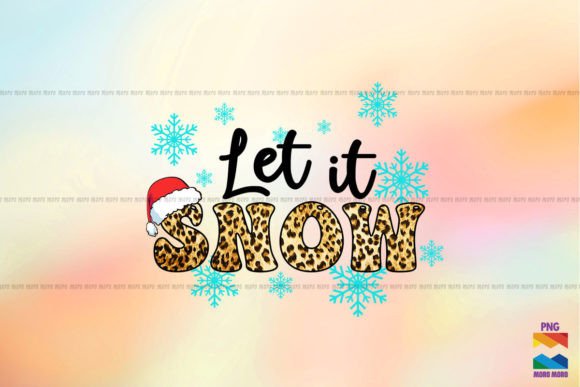
Let It Snow Leopard: A Designer's Review for Real Embroidery Projects
When I first opened the file for Let It Snow Leopard, my initial reaction was a mix of amusement and professional curiosity. In a sea of traditional holly, reindeer, and Santa Claus designs, this piece stands out with a distinct retro personality. As someone who spends countless hours evaluating embroidery files for client work and personal craft businesses, I am always looking for that sweet spot between novelty and wearability. This design is not just another seasonal graphic; it is a statement piece that demands to be stitched.
The concept itself—a leopard embracing the winter season—creates an immediate mood that is playful yet sophisticated. The layout feels balanced, avoiding the cluttered look that often plagues holiday bundles. For designers, the visual personality here is key. It suggests a project that could easily bridge the gap between a fun hobbyist gift and a boutique-quality product ready for an Etsy shop or a craft fair table. The "retro Christmas" vibe mentioned in the description translates well into thread, promising a design that feels timeless rather than fleeting.
Real-World Application: From Digital File to Finished Product
Let us imagine a real scenario where I decide to use Let It Snow Leopard. I am preparing a custom collection of holiday gifts for a local boutique. The goal is to create items that feel handmade but possess a high-end finish. My first choice for this design is a heavy-duty canvas tote bag. The sturdy fabric provides a perfect foundation for the design elements, allowing the stitches to sit proud without distorting the material.
Upon stitching the file onto the canvas, the contrast becomes immediately apparent. The leopard print pattern, likely rendered through a combination of fill stitches and satin strokes, creates a textured depth that flat printing cannot achieve. When paired with snowflake accents, the design gains a wintry charm that elevates the entire tote. Customers walking past the booth at a craft fair would likely pause at the tactile quality of the embroidery. It signals effort and care, two attributes that drive sales in the handmade market.
I also considered using this design on a cozy sweatshirt for a personalized family gift. The retro aesthetic pairs beautifully with vintage-wash fabrics. However, I had to consider the placement carefully. On a large garment like a sweatshirt, the design needs to be centered or placed on the back pocket area to maintain its visual weight. If placed too small on the chest, the intricate details of the leopard might get lost against the texture of the knit fabric. This is where practical judgment comes into play; knowing when to scale up or down is crucial for a successful finished product.
Where This Design Shines in Your Craft Business
Let It Snow Leopard is versatile enough to serve multiple roles in a creative entrepreneur's workflow. It fits naturally into several categories of handmade products:
- Baby Items: The playful nature of the animal makes it ideal for baby onesies or nursery wall hangings. The soft curves of the design translate well to delicate cotton fabrics used in infant apparel.
- Kitchen Textiles: Imagine this design embroidered on a tea towel or apron. The festive theme adds a touch of holiday cheer to the kitchen, making it a perfect gift for hosts during Christmas Eve gatherings.
- Holiday Decor: Pillow covers are another excellent application. The design can anchor a living room display, adding a unique twist to traditional holiday decor.
- Commercial Merchandise: For small shop owners, this design offers a fresh alternative to standard Santa motifs. It helps brands stand out in crowded digital marketplaces by offering something slightly different while still tapping into the holiday spirit.
The ability to use this as a digital embroidery file means you can quickly produce mockups for your online listings. A well-stitched preview can significantly boost buyer engagement, as customers can visualize the texture and detail before purchasing the physical item.
Critical Considerations for Stitching Success
While the design is charming, no professional review would be complete without addressing potential pitfalls. Not every surface is suitable for every stitch type, and Let It Snow Leopard requires specific attention to avoid common errors.
Fabric Texture and Stability
Textured fabrics, such as bouclé wool or thick fleece, can hide the finer details of the leopard print. If the fabric is too rough, the running stitches or satin edges may not lay flat, resulting in a messy appearance. Similarly, thin fabrics like silk or lightweight polyester require extra stabilizer support. Without proper backing, the tension of the machine could pucker the material, ruining the retro aesthetic.
Hooping and Surface Curvature
If you plan to embroider this on a cap or a curved hat, you must ensure the hoop size matches the curvature of the garment. Small hoop sizes often struggle with larger, detailed designs, leading to distortion at the edges. For a design with dense stitch areas, a larger hoop allows the machine to navigate the curves more smoothly. Always test on scrap fabric first to confirm that the stitch density does not overwhelm the material.
Thread Color Contrast
The visual appeal of Let It Snow Leopard relies heavily on color choices. On dark fabric backgrounds, light-colored threads are essential to make the leopard spots and snowflakes pop. Conversely, on white or cream fabrics, darker threads provide the necessary definition. Before committing to a full run of products, inspect the design in black and white mockups to ensure the contrast holds up even if the colors shift slightly due to lighting conditions.
Technical Notes for the Discerning Designer
Before you start stitching, there are a few technical steps that separate a amateur result from a professional one. First, review the stabilizer requirements. For a design with mixed stitch types, including satin and fill, a cut-away stabilizer is often recommended to prevent shifting over time, especially for items that will be washed frequently.
Second, check the licensing terms explicitly. Many designers assume that a purchase includes commercial rights, but this varies. Confirm whether you are allowed to sell finished items featuring Let It Snow Leopard or if the license is restricted to personal use only. This is vital for anyone selling on platforms like Etsy or at craft fairs.
Finally, pay close attention to the small details. In some cases, tiny lettering or fine lines can become illegible after stitching. Use a magnifying glass or zoom in on your digitizing software to verify that the smallest elements are robust enough for the chosen needle size. If the design looks too fragile, consider simplifying the background or adjusting the scale.
In conclusion, Let It Snow Leopard is a standout addition to any designer's library. It brings a modern, retro flair to traditional holiday themes and offers significant potential for creating high-value handmade products. By understanding its strengths and respecting its limitations regarding fabric and technique, you can transform this digital asset into a cherished physical object. Whether you are decorating a home, gifting a loved one, or building a brand, this design has the power to elevate your work from simple craft to curated art.