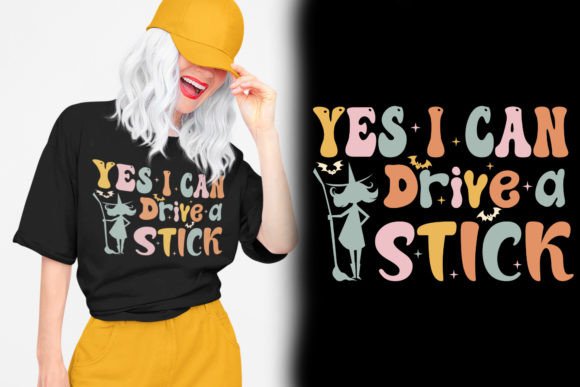
Yes I Can Drive a Stick,Halloween Witch
When I first opened the file for Yes I Can Drive a Stick,Halloween Witch, I didn't just see a Halloween graphic; I saw a conversation starter. As someone who has stitched hundreds of designs for boutique shops and personal gifts, my immediate reaction was one of curiosity mixed with practical assessment. The concept of a retro witch who is confident behind the wheel is a playful twist on traditional spooky imagery, but does it translate well into thread? That is the question that matters most when moving from a digital preview to a physical finished product.
The visual personality of this design leans heavily into nostalgia. It feels like something you would find on a vintage car dealership poster from the 1950s, reimagined for a modern Halloween party. For an embroidery designer, the mood is crucial because it dictates the stitch style. A design that looks good in vector form can sometimes look cluttered once converted to satin stitches or fill patterns. In this case, the layout suggests a strong central character with bold lettering that promises high readability even after stitching. It creates a vibe that is cheeky rather than scary, which makes it incredibly versatile for clients who want to celebrate the holiday without going full horror mode.
From Screen to Stitch: Real Project Scenarios
To truly understand the potential of Yes I Can Drive a Stick,Halloween Witch, we have to imagine it on actual fabric. Let's say I am preparing a custom order for a local craft fair booth. My goal is to create a line of limited-edition tote bags for a "Witchy Women" pop-up shop. This design fits perfectly there. The text is long enough to serve as a statement across the front of a canvas tote, while the retro aesthetic complements the natural texture of the bag material. When I visualize the final product, I see customers picking up these bags not just for their utility, but for the humor embedded in the design.
However, the versatility extends beyond tote bags. Imagine a small business owner creating a collection of baby onesies for a gender-neutral nursery theme. The phrase "Drive a Stick" adds a layer of sass that parents love to gift. If stitched onto a soft cotton-blend onesie using a light gray or pastel orange thread, the design transforms from a t-shirt graphic into a cherished handmade gift. The key here is how the design handles the curve of the garment. Unlike a flat wall art piece, apparel requires the design to sit naturally on the body. The layout of this specific graphic appears balanced enough to accommodate the curvature of a sweatshirt chest or a cap brim without feeling cramped.
I also considered using this for a kitchen towel set. There is a growing trend in home decor where functional items carry witty slogans. Placing Yes I Can Drive a Stick,Halloween Witch on a heavy-duty linen tea towel could be a hit for holiday hosting. The contrast between the sturdy fabric and the playful message creates a memorable tactile experience. Yet, before committing to a bulk run, I would test the stitch density. Kitchen towels endure frequent washing, so the design must hold its shape without the threads pulling or distorting the weave of the towel.
Navigating Technical Challenges
Every embroidery file has its weak points, and knowing them is what separates a professional from a hobbyist. While the retro theme is charming, certain elements require careful handling. If you plan to use this on a structured cap, the curved surface might distort the smaller details of the witch illustration. Embroidery on curved surfaces often stretches the fabric slightly, so intricate lines might blur if the hoop size isn't adjusted correctly. For caps, I would recommend checking the hoop size compatibility and perhaps simplifying the background elements if the original file is too dense.
Fabric texture is another critical factor. This design relies on clear definition to convey the "retro" feel. On a highly textured fabric like bouclé or a loose-weave burlap, the fine details of the lettering could get lost. Similarly, stretchy fabrics like jersey knits pose a risk. Without proper stabilizer support, the tension required to stitch the letters might cause the fabric to pucker around the edges of the design. For a successful outcome on stretchy materials, a cut-away stabilizer is essential to maintain the integrity of the satin stitch and fill stitch areas.
Dense stitch areas are always a point of concern. If the witch's hat or the car features large blocks of color, they need enough spacing to prevent the needle from hitting itself or creating a stiff, cardboard-like feel. When reviewing the machine embroidery design, I look for how the software breaks down the shapes. If the stitch density is too high, the resulting product will be heavy and uncomfortable to wear. Conversely, if it is too low, the design may look patchy. For a commercial project, finding that balance ensures the finished product feels premium rather than cheap.
Visual Appeal and Brand Consistency
In the world of Etsy sellers and small shop owners, presentation is everything. A well-executed design builds trust. When a customer sees a crisp, clean application of Yes I Can Drive a Stick,Halloween Witch on a high-quality garment, they assume the rest of the business is equally professional. The retro color palette suggested by the title implies a specific brand identity—one that values fun, authenticity, and a touch of nostalgia. This consistency helps in building a recognizable brand voice across different products, whether it is a tote bag design, a sweatshirt embroidery, or a personalized gift tag.
The design also affects the perceived value of the item. A generic pumpkin motif is common, but a witty phrase combined with a unique character adds exclusivity. This uniqueness allows a seller to command a higher price point because the customer feels they are buying something special. However, this only works if the execution is flawless. Blurry edges or mismatched thread colors can undermine the entire effort, making a $40 shirt look like a dollar store knockoff.
Practical Designer Notes for Success
Before you start stitching, there are several non-negotiable steps to ensure your project succeeds. First, always test the design on scrap fabric that matches your intended project material. This simple step reveals issues with puckering, thread breakage, or density problems before you ruin a valuable garment. Second, review the stitch density in your digitizing software. If the design looks too solid in the preview, consider reducing the density to allow the fabric texture to show through, which often adds a more organic, handmade look.
Color contrast is paramount. A dark design on a black shirt might disappear unless you use a metallic or neon thread. Always compare your thread colors against both light and dark backgrounds to ensure visibility. Additionally, inspect the small details. If the witch's eyes or the lettering has tiny serifs, ensure they are large enough to be stitched clearly. Tiny details often get lost in the running stitch or become invisible blobs in fill stitch.
Don't forget the technical specifications. Verify the file formats and hoop sizes required by your machine. If the design is listed as a digital embroidery file, check if it includes instructions for applique or if it is purely stitched. If you are unsure about the license terms for selling finished items, read the fine print carefully. Some designs are for personal use only, while others allow commercial production. Confirming these details protects your craft business from legal issues later on.
Finally, create a printable mockup to show your clients. Seeing the design on a rendered image helps buyers visualize the final result, increasing engagement and sales. Whether you are creating a holiday embroidery project or a year-round staple for your small shop product line, taking the time to evaluate every aspect of Yes I Can Drive a Stick,Halloween Witch ensures that your hard work results in a product you are proud to sell and wear.